Gurugram has moved decisively past its satellite-town origins to become one of India's most capital-intensive property markets. Residential property prices have risen by nearly 150%, placing the city at the top among major urban housing markets, and it has evolved into a premium urban ecosystem attracting professionals, investors, and end-users seeking both lifestyle and long-term value. The city's growth is anchored by corporate demand, expressway connectivity, and a steady pipeline of branded residential launches.
After years of rapid appreciation, the market is now entering a more measured phase. After a massive rise of nearly 150% in the last few years, Gurugram real estate prices are expected to slow down in 2026 rather than rise sharply, with prices likely to stabilize as affordability becomes a concern for many buyers. Analysts frame this as consolidation rather than a correction: most analysts see 2026 as a stabilization year, and while prices rose by over 150% in some sectors between 2021 and 2025, the market has moved from speculation to infrastructure-backed growth, with realistic 8–12% annual appreciation expected moving forward.
Demand has decisively shifted toward quality and scale. Gurugram's housing demand has shifted decisively toward premium and luxury segments, with large-format apartments, gated communities, and branded residences now dominating new launches, and even when transaction volumes fluctuate, high ticket sizes keep overall market value strong. This is reflected in the pace of new supply: Delhi-NCR recorded a 30% year-on-year rise in housing sales in Q1 2026, with Gurugram contributing nearly 73% of residential launches in the region, led by high activity across Dwarka Expressway, New Gurgaon, and emerging premium corridors.
Branded developers are now commanding a distinct premium in this landscape. In 2026, the market is no longer just about location but about branding, with buyers paying a 15–25% premium for established names due to stricter RERA enforcement and a desire for legacy living. PRESTIGE's entry into this market via a Sector 92 joint development marks a significant milestone, bringing a CRISIL DA1+ rated, 300+ project developer track record to one of NCR's most closely watched growth corridors.
Property rates across Gurugram vary sharply by corridor, ranging from emerging Dwarka Expressway sectors to ultra-premium Golf Course Road addresses. Here's a snapshot of current price bands across key micro-markets.
From established commercial districts to fast-maturing expressway corridors, these localities represent Gurugram's most active residential investment zones.
Connectivity remains the single strongest driver of Gurugram's real estate momentum. Major expressways, upgraded arterial roads, and expanding metro connectivity have significantly reduced travel time and improved access to Delhi, the airport, and commercial districts. The Dwarka Expressway has emerged as a flagship project in this regard, with elevated road networks, wider service roads, improved drainage systems, and proposed metro connectivity expansion increasing buyer confidence across adjoining sectors.
Beyond expressways, large state-led developments are reshaping specific micro-markets. The Global City project, a 1,000-acre mixed-use development being developed by HSIIDC across Sectors 36, 36B, 37, and 37B, is expected to house 1.8 lakh residents and has already driven a 20% price surge in nearby Sectors 84, 88, and 37D. Separately, a proposed Gurugram Metro loop linking HUDA City Centre to Cyber City via Old Gurgaon and Palam Vihar has already created a 15–20% price premium in sectors along its planned route, underscoring how transit-linked development continues to shape investment decisions across the city.
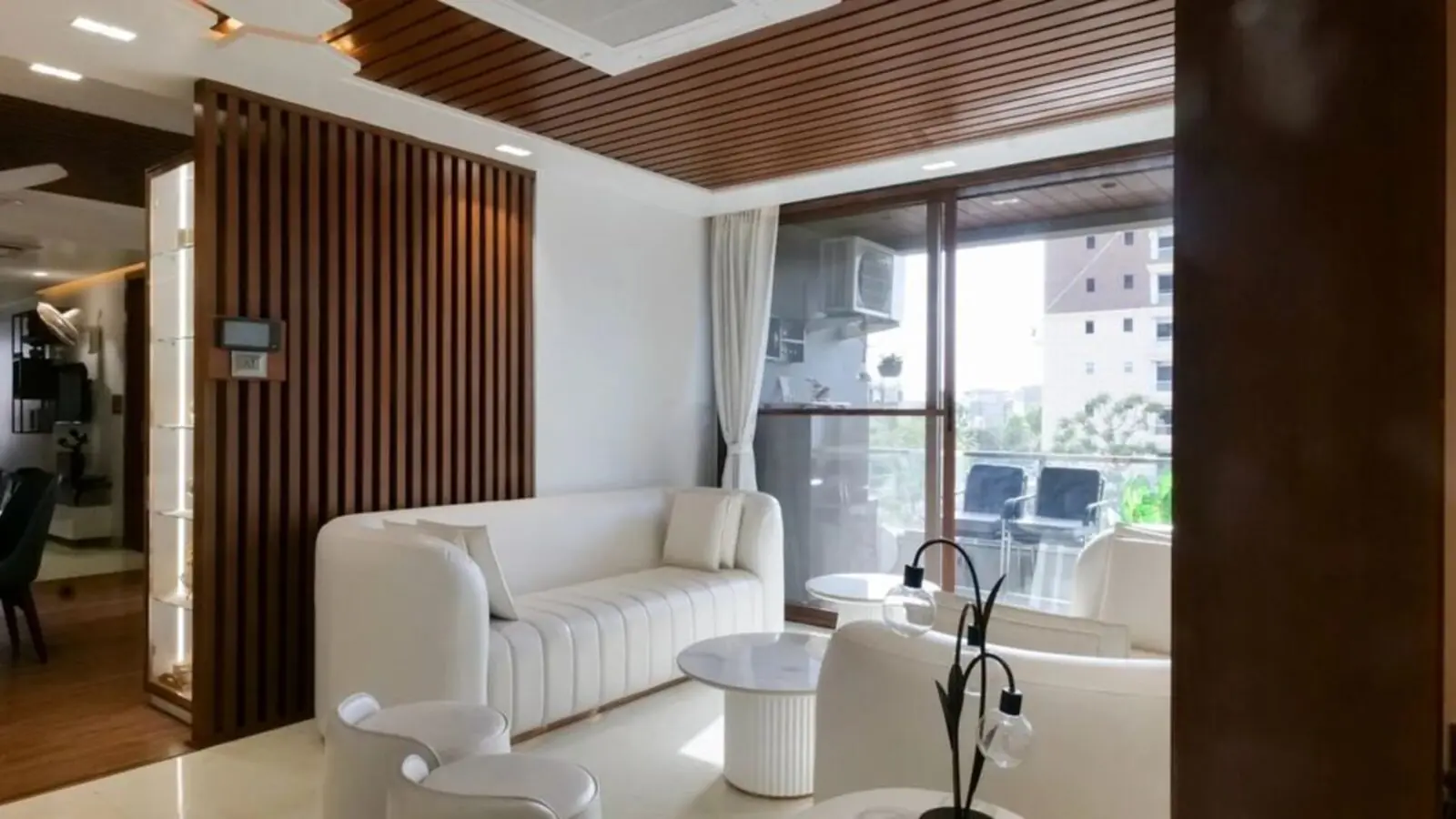
Indavara, Chikkamagaluru
Villas / Plots (Expected) • Price on Request
85-acre land bank entry into Chikkamagaluru
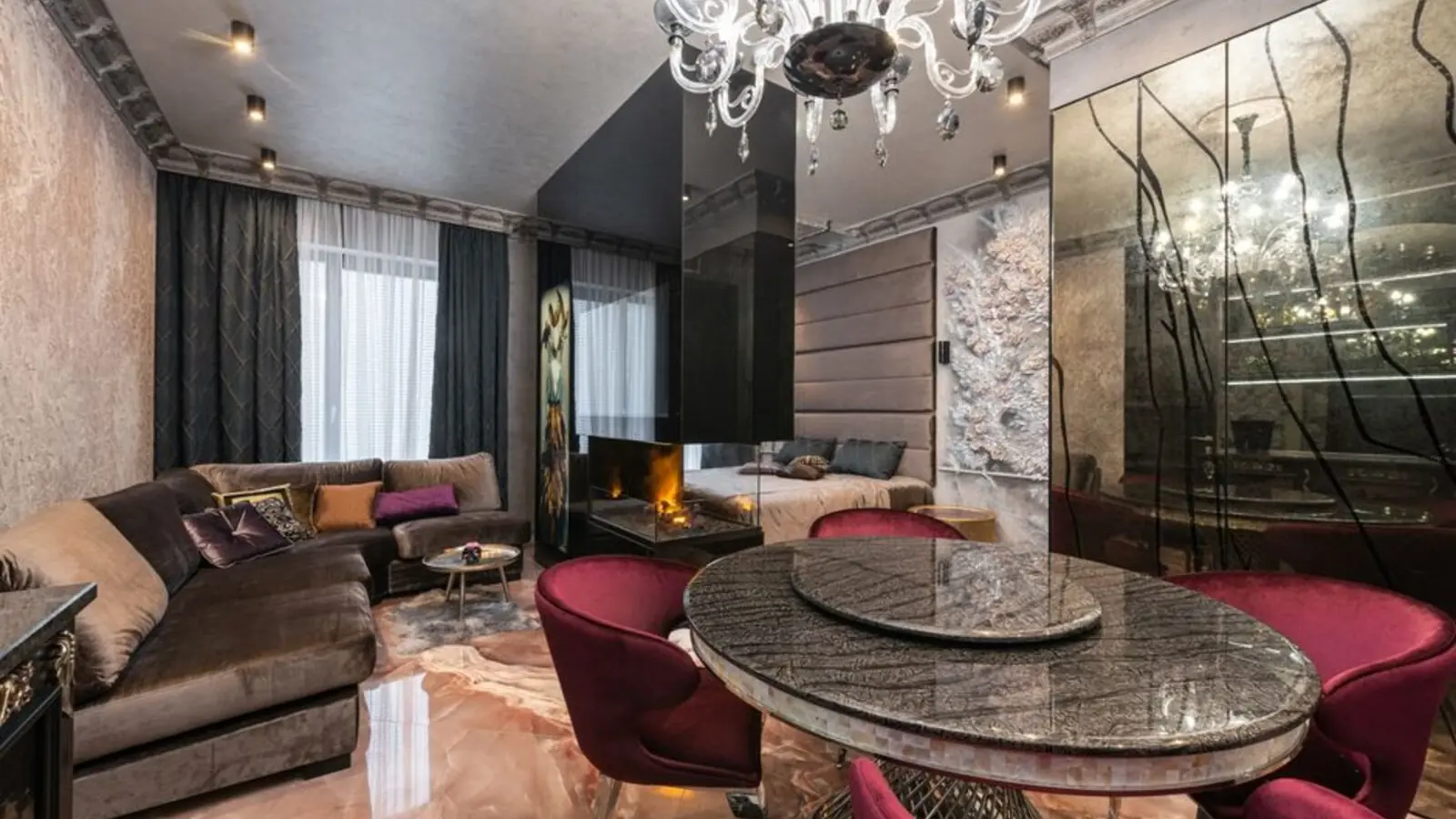
Bagalur, Bangalore
1, 2, 3 BHK (expected) • Price on Request
30+ acre land parcel acquired

Padi-Korattur, Chennai
2, 3 BHK, Office & Retail • Price on Request
16.38-acre mixed-use development
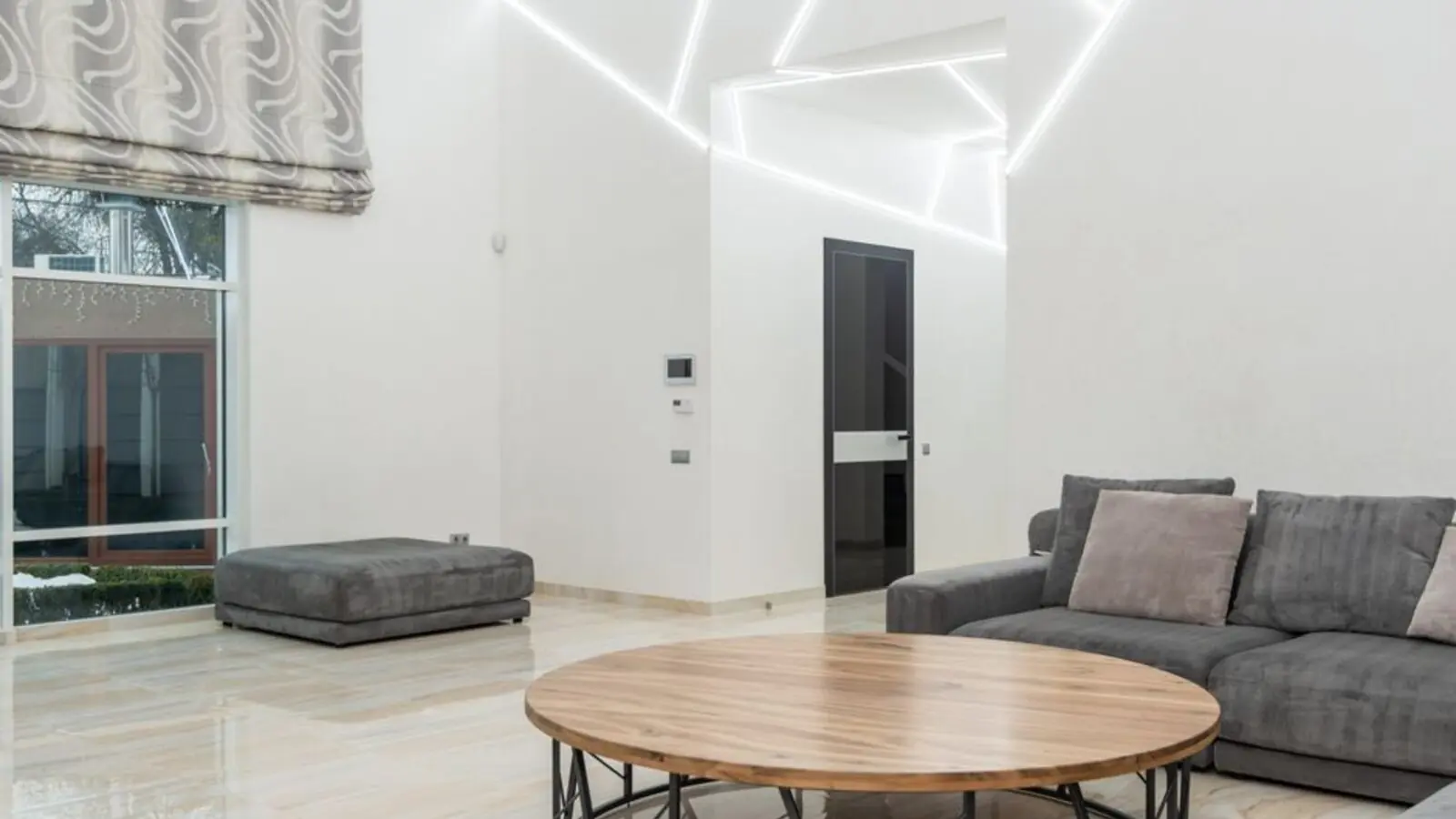
Sahar, Andheri East, Mumbai
Hotel, Office & Retail • GDV Rs 4,500 Cr
1.5 million sq ft integrated hospitality-commercial project
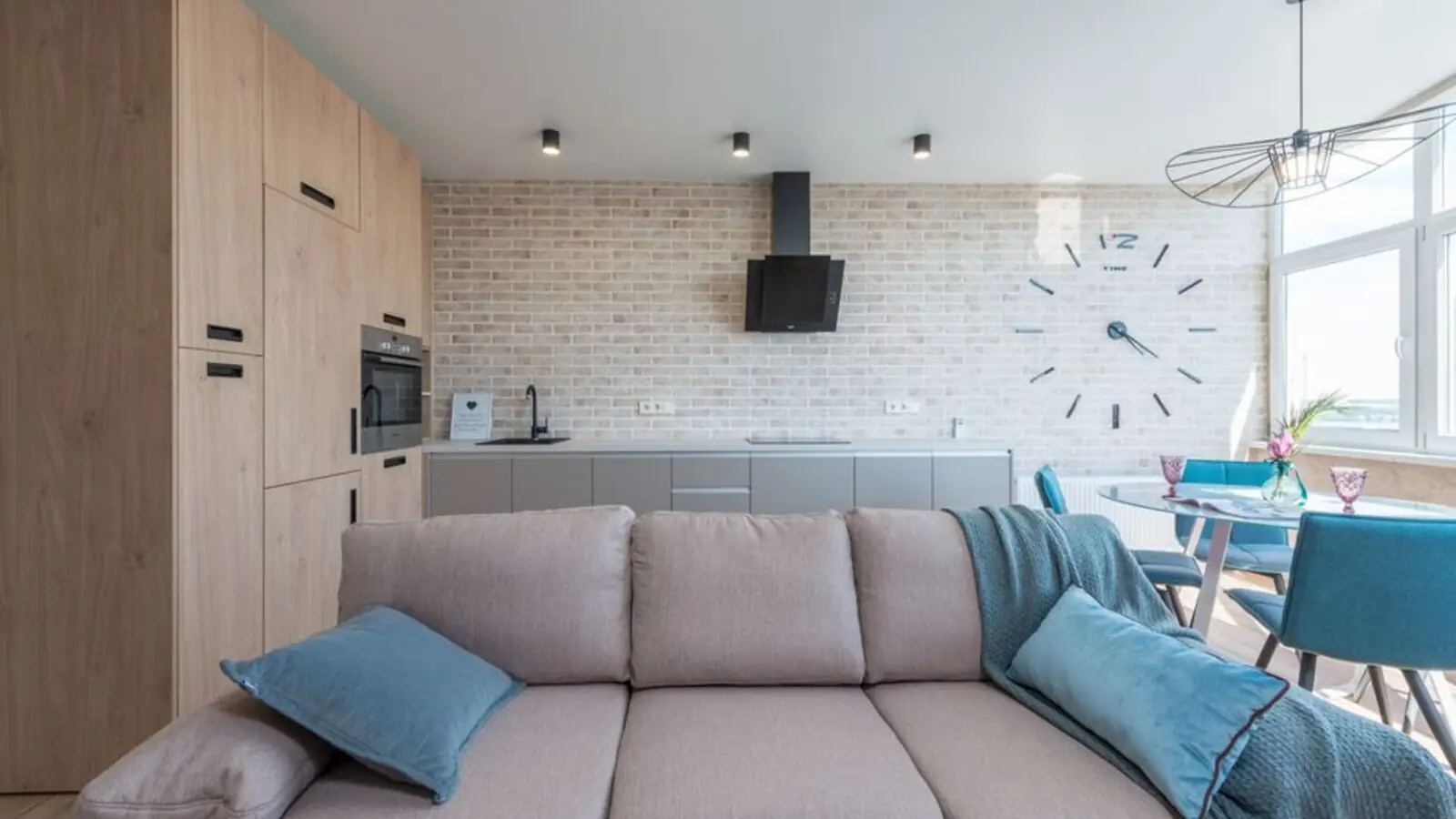
Aram Nagar, Versova, Mumbai
Configuration TBA • On Request
6-acre JV, 1.7 mn sq ft, Rs 9,000 Cr GDV
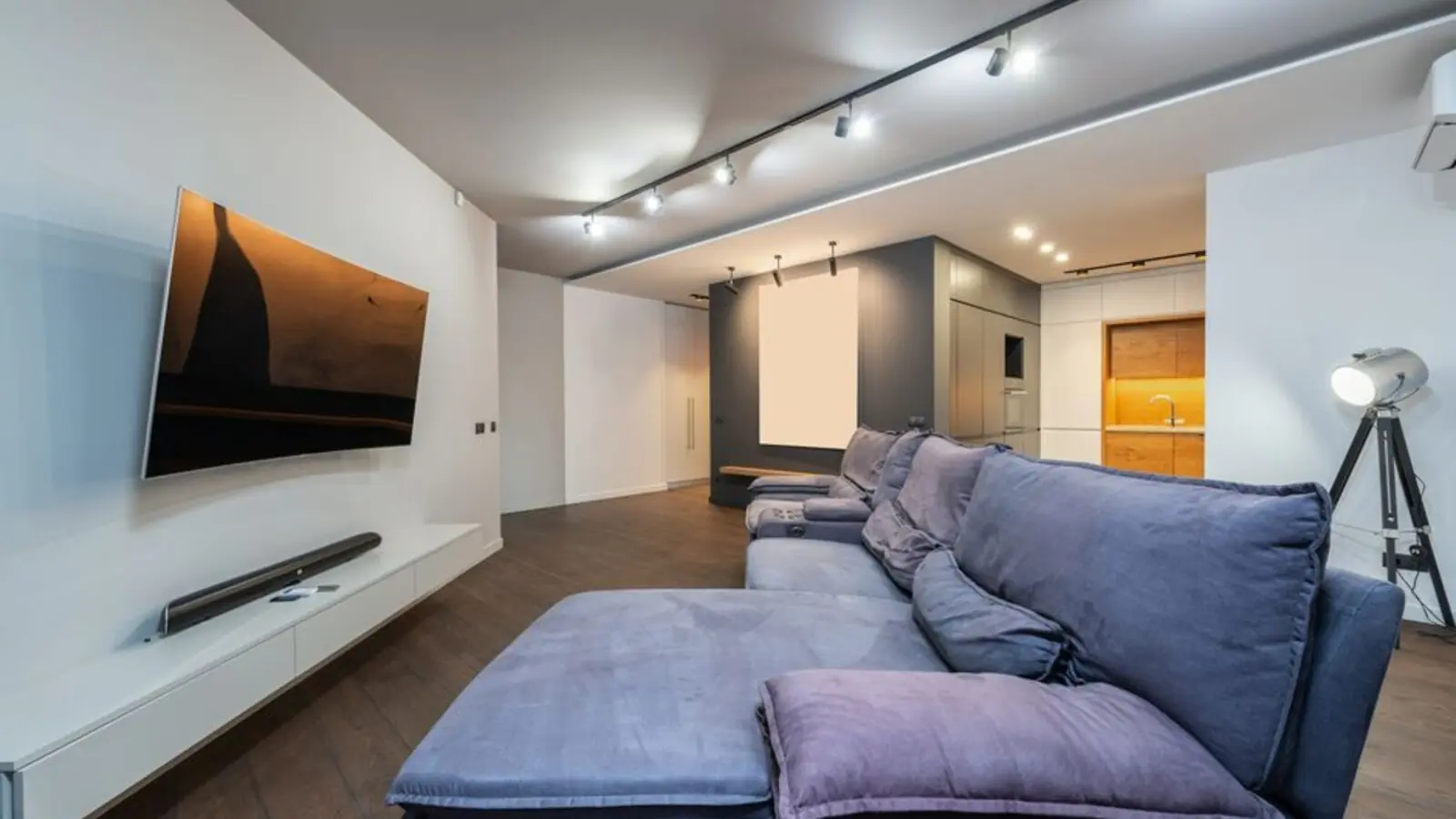
Bengaluru Airport City, Bangalore
Convention | Hospitality | Office | Retail • ₹1,800 Cr investment
1.5 million sq ft mixed-use destination
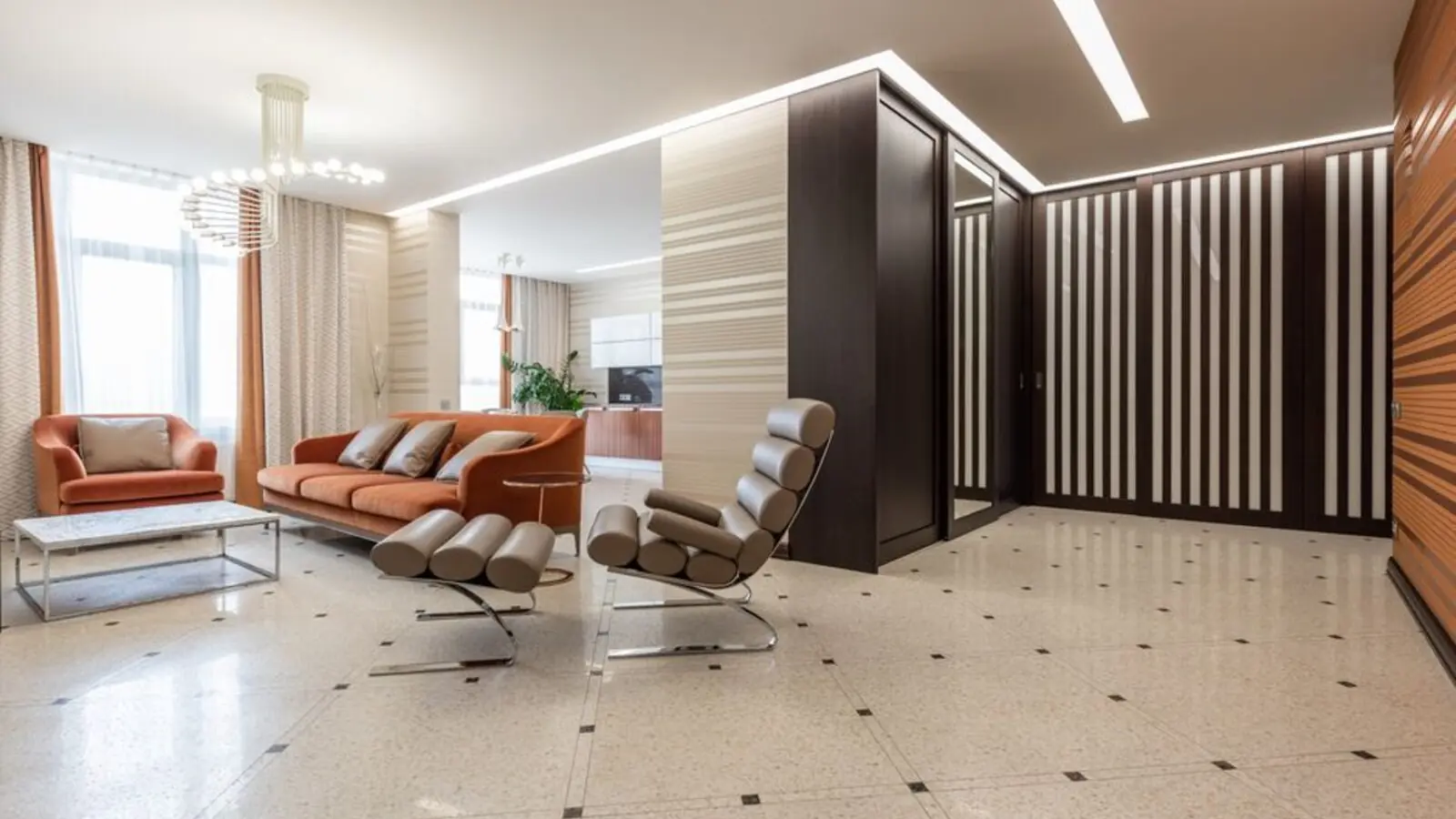
Bengaluru Airport City, Devanahalli, Bangalore
Hotels | Convention Centre | Office | Retail • Price on Request
₹1,800 Cr integrated destination at KIA
Budigere Cross, Bangalore
1, 2, 3 BHK • Price on request
Upcoming Prestige address off Old Madras Road
Content is provided strictly for information and does not constitute an offer, solicitation, or contractual commitment. Specifications, pricing, and availability may change at any time. Independent verification of all particulars is advised. About · Projects
Share your details and our expert will call you back.