
Mumbai remains India's most expensive and most liquid housing market. Official registration data for June 2025 to May 2026 shows a highly active market, with 85,549 transactions and a gross value of ₹1,33,358 crore recorded across the city. Property rates in Mumbai average ₹38,600 per sq ft citywide, with Mumbai South commanding the highest rates at ₹46,350 per sq ft, while the Western and Central Suburbs offer relatively more accessible entry points at ₹34,900 and ₹33,000 per sq ft respectively.
The city's structural scarcity keeps demand ahead of supply. Mumbai is geographically constrained by the sea and cannot expand easily, and demand has historically outpaced new supply, keeping prices elevated even through softer macro periods. This has pushed the market firmly into a redevelopment-and-infrastructure-driven cycle rather than a speculative one - land parcels are scarce, and old low-rise buildings are being replaced by tall, amenity-rich towers.
Developers are responding with a shift toward higher-value products. MMR recorded residential sales of 1.4 lakh units in FY 2024-25, retaining its position as India's largest housing market by volume, and analysts expect the market to grow through 2026 on the back of operational metro lines, the Coastal Road, and the under-construction Navi Mumbai International Airport. Industry trackers note that 2026 sentiment points toward stable, infrastructure-led price growth rather than speculative spikes, positioning MMR as a market for genuine end-use and long-term capital appreciation rather than quick flips.
PRESTIGE Group has entered this market aggressively, launching projects that span the full spectrum from ultra-luxury sea-facing towers in South Mumbai to large-format mid-segment townships along the Western Express Highway and in the eastern suburbs, reflecting the developer's read on where genuine end-user demand is concentrated.
Prices vary sharply by corridor in Mumbai - a single flyover can separate two very different price zones. Here is a snapshot of average rates across key micro-markets.
PRESTIGE's Mumbai portfolio spans South Mumbai's heritage addresses to fast-growing suburban corridors. Here are the localities driving current demand.
Mumbai's connectivity map is being redrawn in real time. The Mumbai Metro is the second longest operational metro network in India with an operational length of 101.43 km as of April 2026, and a section of Line 9 and Line 2B was inaugurated in April 2026, extending western suburb connectivity. Metro Line 8, the Gold Line, will be a fully elevated 35 km Airport Express Line connecting CSMIA to the upcoming Navi Mumbai International Airport, while Metro Line 7A is targeted for completion by December 2026 and will further cut travel time to the airport.
Road infrastructure is moving just as fast: the Mumbai Coastal Road has eased Western Suburb to South Mumbai travel, and the government has announced that traffic from Sewri to the coastal road will become signal-free by September 2026, with the Bandra-Versova Coastal Road expected to complete by May 2028. The Navi Mumbai International Airport, connected via NH-348 and future metro links, is set to reshape the eastern MMR growth story, making corridors like Panvel, Ulwe, and Kharghar central to Mumbai's next decade of real estate expansion.
Sahar, Andheri East, Mumbai
Hotel, Office & Retail • GDV Rs 4,500 Cr
1.5 million sq ft integrated hospitality-commercial project
Aram Nagar, Versova, Mumbai
Configuration TBA • On Request
6-acre JV, 1.7 mn sq ft, Rs 9,000 Cr GDV
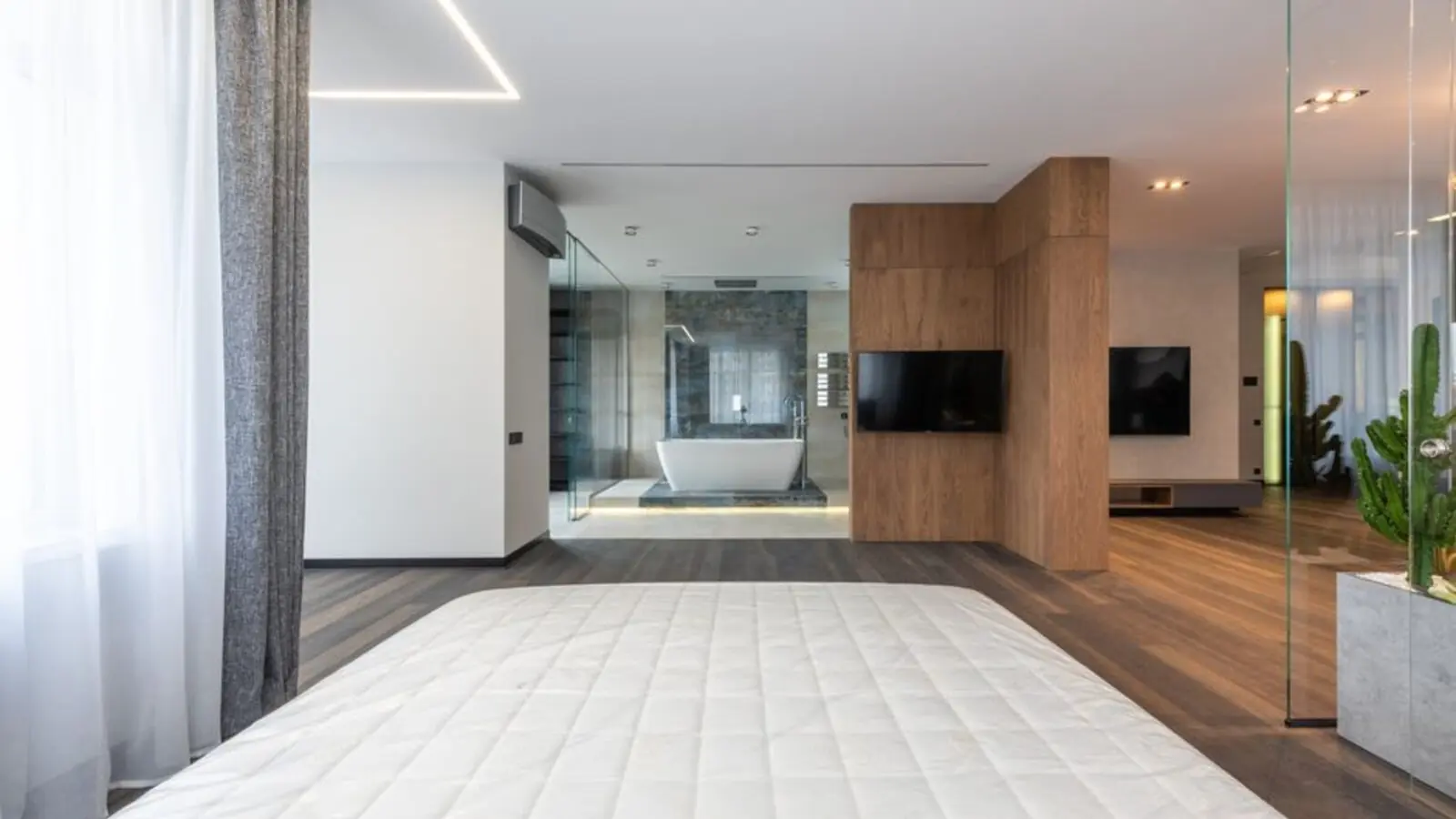
Panvel, Navi Mumbai
2, 3 BHK • Price on Request
Upcoming Prestige homes near NMIA corridor
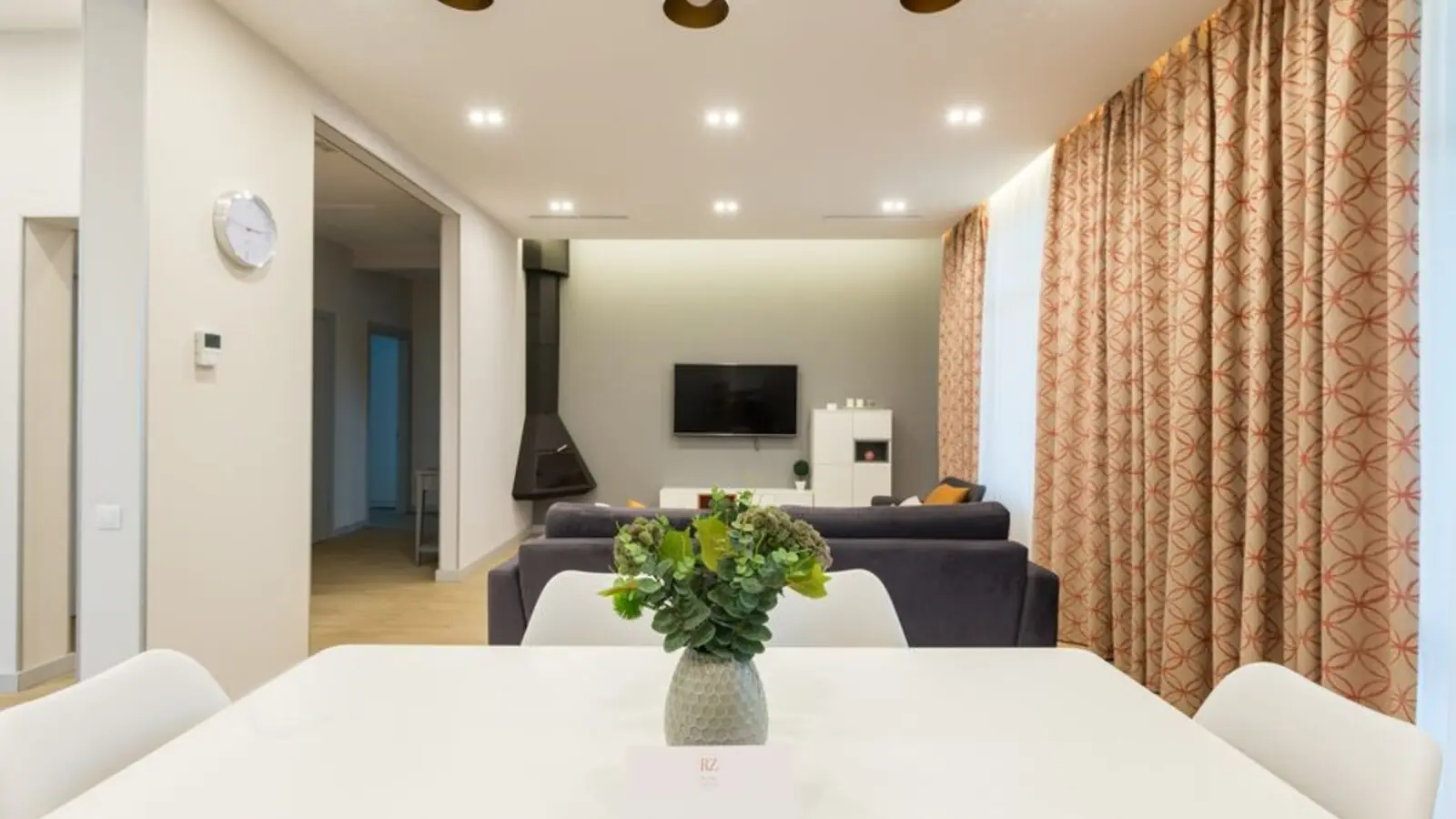
Worli, Mumbai
Branded Residences • Price on Application
17-acre mixed-use landmark by Prestige & Valor Estate
Sahar, Andheri East, Mumbai
Grade-A Office | Hospitality • On Request
5.4-Acre Hospitality-Office JV Near CSMI Airport
Andheri West, Mumbai
Grade-A Office Spaces • Price on Request
1.5 million sq ft Grade-A office campus
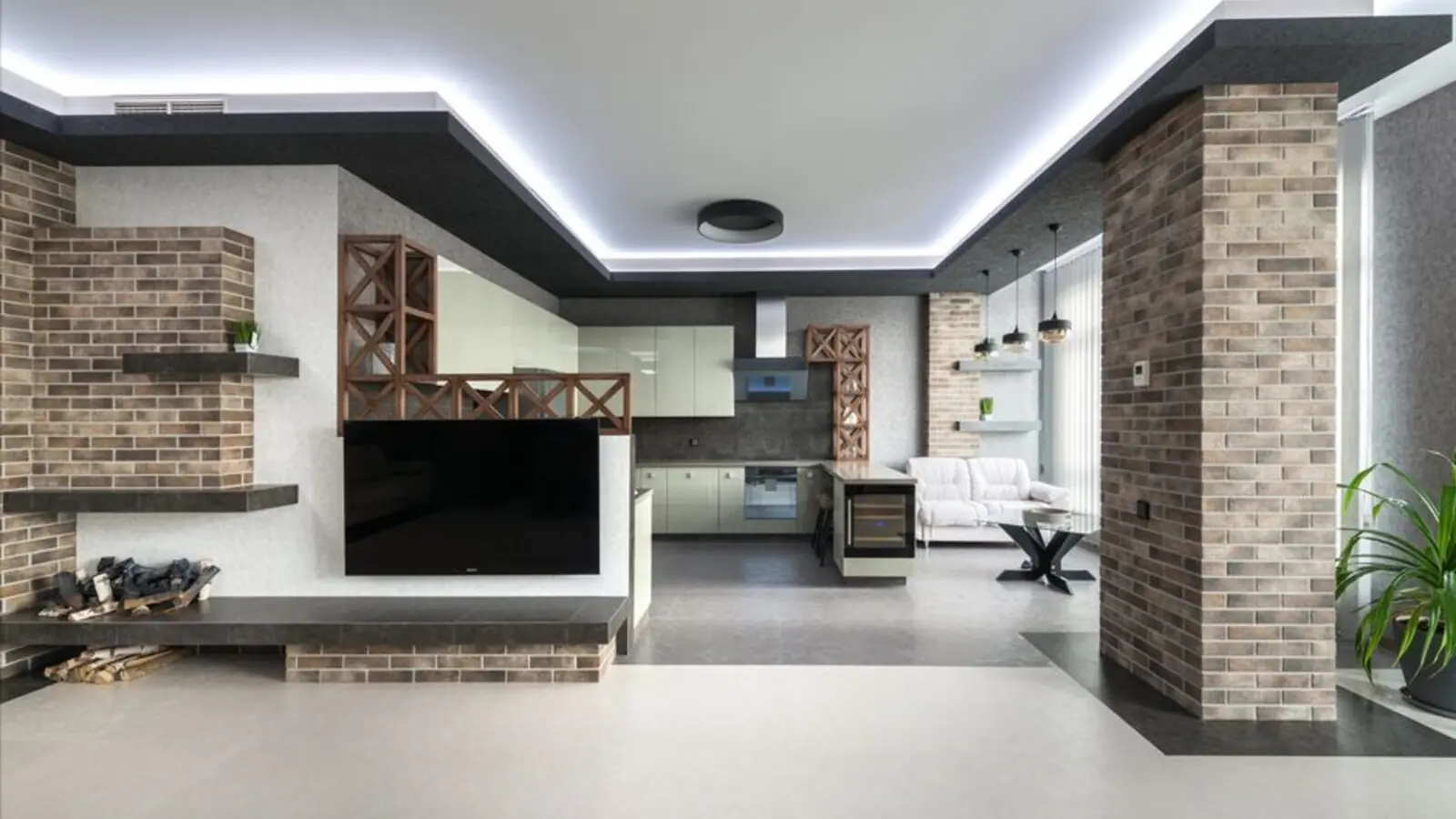
Versova, Andheri West, Mumbai
2, 3, 4 BHK • Price on request
₹9,000 Cr GDV premium JV on 6 acres
Content is provided strictly for information and does not constitute an offer, solicitation, or contractual commitment. Specifications, pricing, and availability may change at any time. Independent verification of all particulars is advised. About · Projects
Share your details and our expert will call you back.