Mangalore is becoming one of South India's most active real estate markets in the second-tier category, driven by a confluence of infrastructure, economic momentum, and demographic tailwinds that signal a decisive shift from affordable alternative to strategic investment destination.
## Infrastructure: The Real Story
Mangalore's infrastructure growth is the biggest driver of optimism in its property market. Key projects include the expansion of Mangalore International Airport, upgrades to NH-66, and development along the MRPL corridor. These initiatives have boosted connectivity and economic activity. More tangibly, the 10-lane Bengaluru-Mangalore Expressway will cut travel time between the two cities to just 4.5 hours, which will encourage IT professionals and businesses to invest in Mangalore, driving up property prices in key areas.
These aren't aspirational plans—they're active projects reshaping peripheral accessibility. Once-remote zones are now integration into the metro ecosystem.
## Economic Engine: IT & Logistics
The IT sector is booming with 55+ companies employing over 15,000 professionals, including global names like Infosys, Thomson Reuters, and Cognizant. The government's ambitious plan to develop three IT parks, including a massive 2 million square feet IT SEZ, promises sustained economic growth.
The city's strategic location as a port town makes it an ideal destination for industries, logistics, and trade. The rise of co-working spaces and the influx of IT and tech companies will further drive demand for commercial spaces. Employment growth directly translates to residential demand—a factor often overlooked in affordability-focused comparisons.
## Price Momentum: Quantified Growth
In central micro-markets, property prices have grown by around 8 to 12% each year for the past three years. Mainly due to premium low-density projects performing better than high-rise buildings. More aggressively, established areas like Bejai and Kadri have seen 37–45% appreciation over five years, while as of early 2026, average flat rates in Bejai are approximately ₹7,000 per sq ft.
These aren't speculative numbers—they reflect sustained demand from NRIs, IT professionals, and domestic investors rotating out of saturated metros.
## Buyer Preferences: A Shift to Quality
High-rise buildings with many units are being replaced more and more by low-density, gated communities that typically have between 20 to 80 units. Buyers are now looking for exclusivity, privacy, lower maintenance costs, better amenities, and a strong sense of community. This is not noise—it reflects mature market behavior where volume chases yield and cash-flow.
Low-density projects tend to appreciate faster, often by 12 to 18% annually, because once they're sold out, similar options don't exist in the same area.
## Sustainability: Non-Negotiable Standard
Mangalore's real estate market is shifting towards sustainable and eco-friendly developments. Green buildings, which focus on energy efficiency, rainwater harvesting, and waste management, are gaining popularity. By 2025, more developers are expected to integrate sustainable practices, catering to the environmentally conscious buyer.
## Investment Thesis: Window Narrowing
Mangalore is increasingly being viewed as a promising investment destination due to its infrastructure upgrades, affordability, and growing demand from NRIs and IT professionals. Established areas like Bejai and Kadri have seen 37–45% appreciation over five years and remain liquid markets. Emerging areas like Derebail and Kulshekar offer lower entry points with solid growth potential.
The margin between entry-level and premium has widened. Early positioning in emerging micro-markets offers asymmetric upside as infrastructure connectivity expands outward. Central areas now command metros-adjacent premiums—a rational adjustment to supply scarcity and improved accessibility.
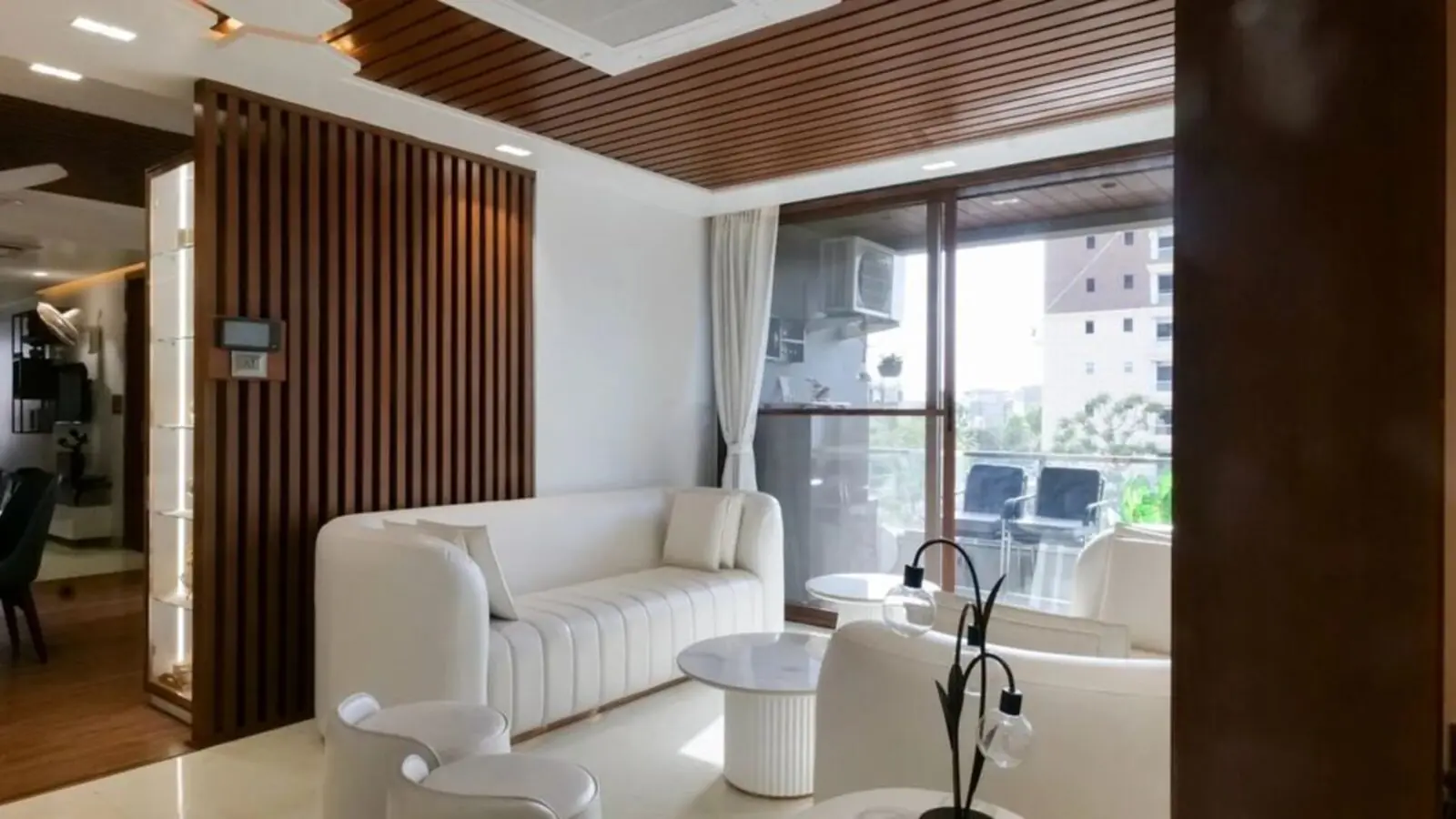
Indavara, Chikkamagaluru
Villas / Plots (Expected) • Price on Request
85-acre land bank entry into Chikkamagaluru
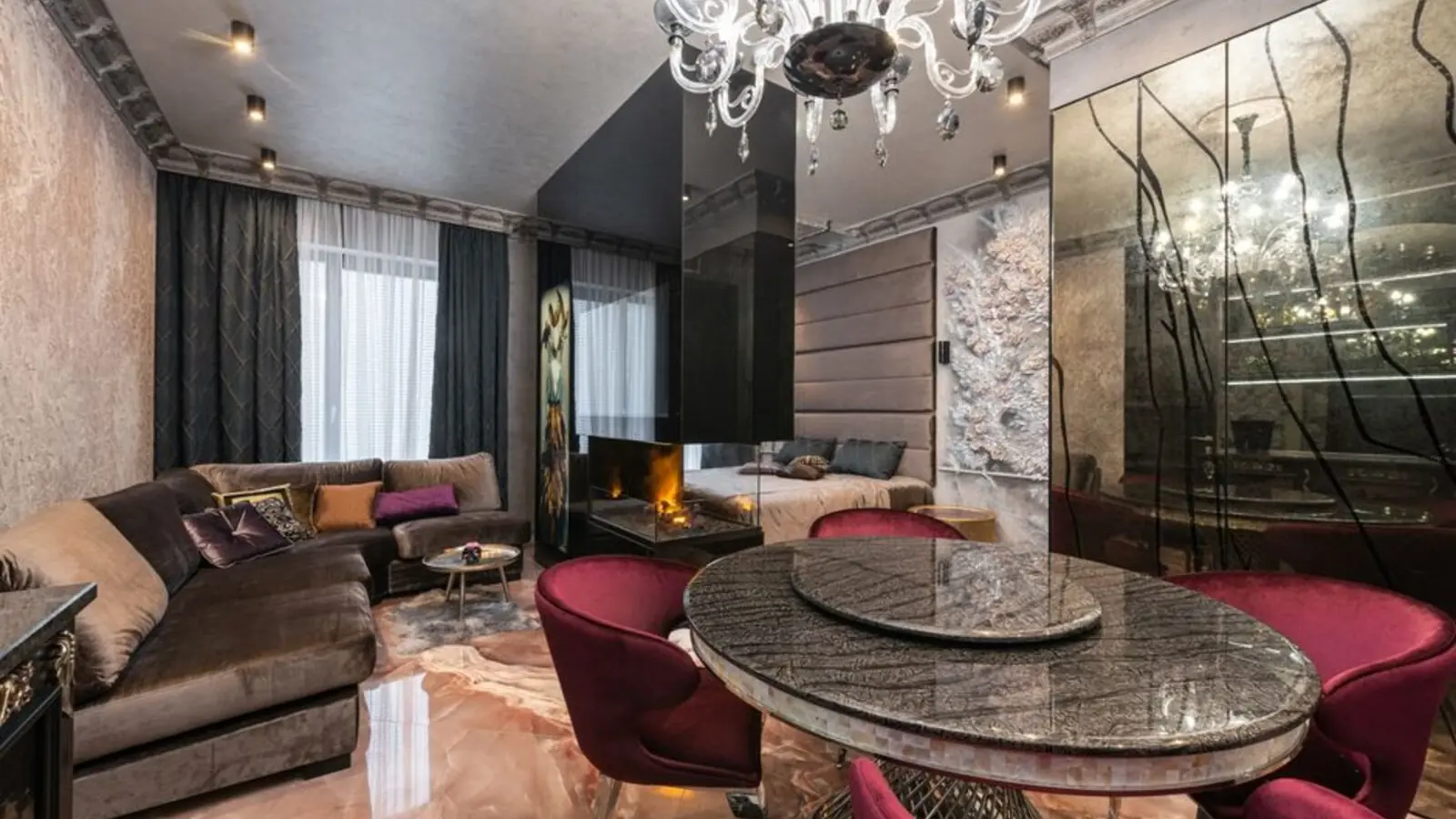
Bagalur, Bangalore
1, 2, 3 BHK (expected) • Price on Request
30+ acre land parcel acquired

Padi-Korattur, Chennai
2, 3 BHK, Office & Retail • Price on Request
16.38-acre mixed-use development
Sahar, Andheri East, Mumbai
Hotel, Office & Retail • GDV Rs 4,500 Cr
1.5 million sq ft integrated hospitality-commercial project
Aram Nagar, Versova, Mumbai
Configuration TBA • On Request
6-acre JV, 1.7 mn sq ft, Rs 9,000 Cr GDV
Bengaluru Airport City, Bangalore
Convention | Hospitality | Office | Retail • ₹1,800 Cr investment
1.5 million sq ft mixed-use destination
Bengaluru Airport City, Devanahalli, Bangalore
Hotels | Convention Centre | Office | Retail • Price on Request
₹1,800 Cr integrated destination at KIA
Budigere Cross, Bangalore
1, 2, 3 BHK • Price on request
Upcoming Prestige address off Old Madras Road
Content is provided strictly for information and does not constitute an offer, solicitation, or contractual commitment. Specifications, pricing, and availability may change at any time. Independent verification of all particulars is advised. About · Projects
Share your details and our expert will call you back.